
Call: 08045801297
 Send Inquiry
 Send Inquiry
Fluid Seals
Price 100 INR/ Piece
MOQ : 10 Pieces
Fluid Seals Specification
- Hardness
- 70-90 Shore A
- Application
- Hydraulic systems, Industrial machinery, Pumps, Valves, Automotive
- Theory
- Axial/Rotary Motion Seal
- Style
- Hydraulic/Pneumatic, Mechanical, Rotary
- Material
- Nitrile Rubber (NBR), Viton, EPDM, PTFE, Silicone
- Temperature
- -40C to +200C
- Pressure
- 0 to 20 MPa
- Speed
- Up to 15 m/s
- Function
- Sealing and preventing fluid leakage
- Size
- Customizable as per application requirement
- Structure
- Double Lip, Single Lip, O-ring, U-cup, V-ring
- Packaging
- Bulk, single pack, customized options
- Surface Finish
- Smooth, finely finished surface
- Elongation at Break
- Up to 300%
- Installation Method
- Press-fit, snap-in
- Service Life
- Long-lasting/durable
- Color
- Black, blue, brown, custom colors
- Chemical Resistance
- Good resistance against oils, fuels, and various chemicals
- Compression Set
- Low for high sealing efficiency
- Tear Strength
- High
Fluid Seals Trade Information
- Minimum Order Quantity
- 10 Pieces
- FOB Port
- Ahmedabad
- Supply Ability
- 500 Pieces Per Week
- Delivery Time
- 1 Week
- Sample Available
- Yes
- Sample Policy
- Contact us for information regarding our sample policy
- Packaging Details
- Plastic Bag Packing, Corrugated Box Packing, Shrink Packing, Customization As per Customer Requirement
- Main Domestic Market
- All India
About Fluid Seals
Our company is counted among the topmost manufacturing entities, engaged in exporting an excellent range of Fluid Seals. These seals are widely used in industrial equipment to prevent the leakage of lubricants. In addition to this, these seals also prevent the ingress of dirt, dust and other contaminants into the system. Available for clients in different standard sizes to meet their exact needs, these Fluid Seals are reasonable in prices.Offered seals are completely protected against chemical corrosion and these can endure up to 1650 degree C operating temperature. Designed by skilled personnel, these can resist wear, oxidation and rust formation. Unique mechanical strength, simple installation method and ability to endure heat shock are the key characteristics of these products.
Features:
Abrasion resistant
Wear proof
Compatible with various chemicals
Versatile Sealing Solutions
Our fluid seals are tailored to meet the demanding requirements of various industries, including hydraulic systems, industrial machinery, pumps, valves, and automotive applications. Whether you need single lip, double lip, O-ring, U-cup, or V-ring structures, we offer customizable options to match your specific requirements, ensuring a reliable and long-lasting seal in any environment.
Premium Material Choices
Choose from advanced materialsincluding NBR, Viton, EPDM, PTFE, and Siliconeeach offering distinct advantages such as superb chemical resistance, high-temperature tolerance, and excellent mechanical strength. These materials ensure optimal seal performance, whether your application involves aggressive fluids, rapid motion, or extreme temperature fluctuations.
Efficient Installation and Performance
Our seals feature an easy press-fit or snap-in installation, minimizing downtime during maintenance or replacement. The low compression set, high tear strength, and smooth surface ensure prolonged service life and reduced fluid leakage, maximizing operational efficiency and protecting crucial system components.
FAQs of Fluid Seals:
Q: How are fluid seals installed in hydraulic and pneumatic applications?
A: Fluid seals can be installed using press-fit or snap-in methods, making the process straightforward and efficient. This design ensures a secure fit to prevent leakage under operational pressures and speeds.Q: What materials are available for these fluid seals, and what benefits do they offer?
A: We offer seals made from Nitrile Rubber (NBR), Viton, EPDM, PTFE, and Silicone. Each material delivers specific advantages such as enhanced chemical resistance, temperature stability from -40C to +200C, and durability in harsh environments.Q: When should I choose a double lip, single lip, O-ring, U-cup, or V-ring seal?
A: The choice depends on your applications sealing needs. Double lip and V-ring seals provide extra protection against contaminants, while O-rings and U-cups are ideal for dynamic and static applications requiring reliable fluid retention.Q: Where can these fluid seals be applied?
A: These seals are used in hydraulic systems, industrial machinery, pumps, valves, and automotive applications. Their robust construction and chemical compatibility make them suitable across diverse industrial sectors.Q: What is the process for ordering customized seal sizes and packaging?
A: You can specify your exact requirements for seal size, color, and packaging. We offer bulk, single pack, and custom packaging options to cater to varied logistical needs and ease of inventory management.Q: How do these seals perform under high pressure and speed?
A: Our fluid seals are engineered to operate efficiently at pressures up to 20 MPa and speeds up to 15 m/s, maintaining low compression set and high tear strength, which ensures effective sealing and extended service life.Q: What are the main benefits of using your fluid seals in industrial machinery?
A: Key benefits include superior resistance to oils and chemicals, minimal leakage, long-lasting durability, and easy maintenance, all contributing to reduced downtime and improved operational reliability.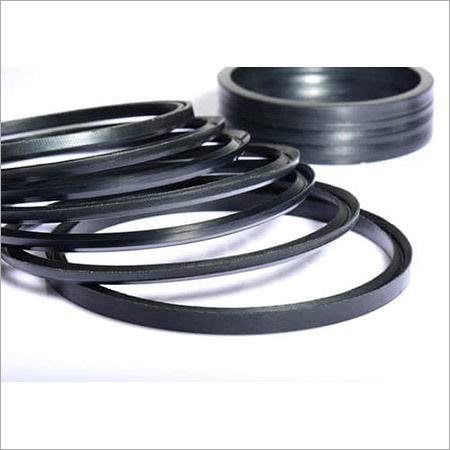
Tell us about your requirement

Price:
Quantity
Select Unit
- 50
- 100
- 200
- 250
- 500
- 1000+
Additional detail
Mobile number
Email

More Products in Mechanical Seals Category
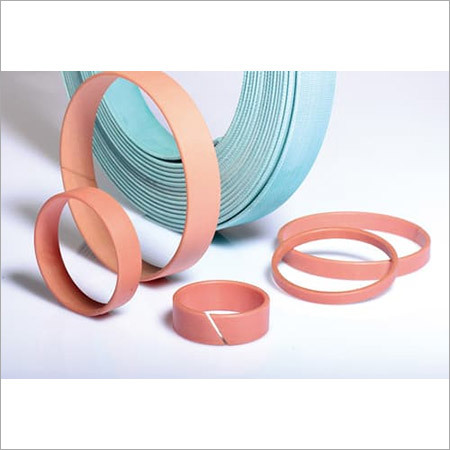
Rotary Seals
Price 100 INR / Piece
Minimum Order Quantity : 10 Pieces
Material : Other, Nitrile Rubber, FKM (Viton), PTFE, Silicone, EPDM
Application : Automotive, industrial machinery, pumps, motors, gearboxes
Function : Prevents leakage of fluids and entry of contaminants in rotary systems
Size : 6 mm to 500 mm diameter
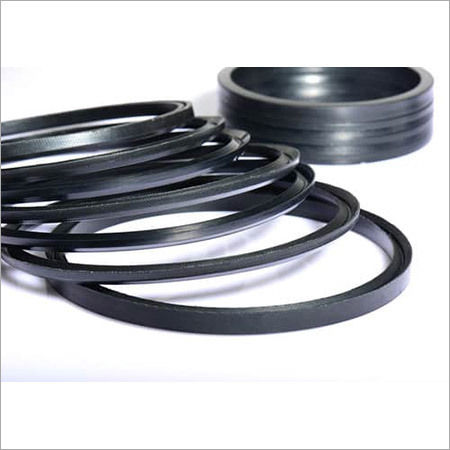
Canvas Seals
Price 100 INR / Piece
Minimum Order Quantity : 10 Pieces
Material : Other, Canvas Fabric, Rubber Coated
Application : Hydraulic Machinery, Pneumatic Equipment, Oil Seals
Function : Sealing against oil, grease, and water
Size : Standard & Customized Sizes Available
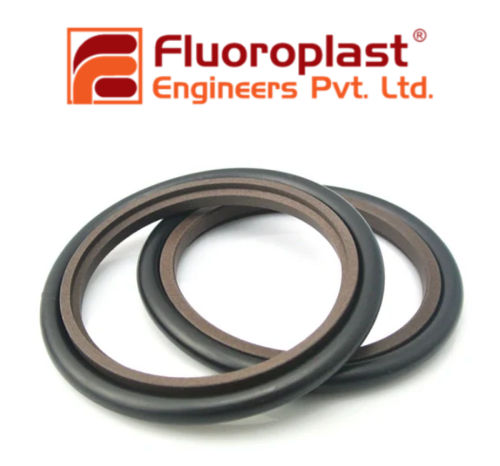
Step Seal
Minimum Order Quantity : 10 Pieces
Material : Almost all media ORing :NBR/FKm
Application : Hydraulic cylinders and presses
Function : Hydraulic sealing
Size : Customizable as per application
Seal Ring
Price 100 INR / Piece
Minimum Order Quantity : 10 Pieces
Material : Other, Carbon, Ceramic, Silicon, Alloy Steel
Application : Pumps, Compressors, Agitators
Function : Mechanical Sealing
Size : Custom, as per drawing/specification

Contact Details
GST : 24AABCF9517D1ZW
- 5/8/1, Dasrath Estate, Near Revabhai Estate, C.T.M Cross Roads,Ahmedabad - 380026, Gujarat, India
- Phone :08045801297

 Send Inquiry
|


Developed and Managed by Infocom Network Private Limited.
