
Call: 08045801297
 Send Inquiry
 Send Inquiry
Rotary Seals
Price 100 INR/ Piece
MOQ : 10 Pieces
Rotary Seals Specification
- Hardness
- 60-90 Shore A
- Theory
- Radial shaft sealing
- Application
- Automotive, industrial machinery, pumps, motors, gearboxes
- Style
- Single lip, double lip, triple lip
- Material
- Nitrile Rubber, FKM (Viton), PTFE, Silicone, EPDM
- Temperature
- -40C to +200C
- Pressure
- Up to 0.5 MPa
- Speed
- Up to 20 m/s
- Function
- Prevents leakage of fluids and entry of contaminants in rotary systems
- Size
- 6 mm to 500 mm diameter
- Structure
- Outer diameter metal or rubber covered with inner sealing lip
- Medium
- Oil, grease, water, dust, dirt
- Seal Type
- Rotary oil seal
- Installation
- Press fit
- Shape
- Round, custom shapes available
- Life Span
- Long service life with low friction
- Color
- Black, Brown, Blue, Custom
Rotary Seals Trade Information
- Minimum Order Quantity
- 10 Pieces
- FOB Port
- Ahmedabad
- Supply Ability
- 500 Pieces Per Week
- Delivery Time
- 1 Week
- Sample Available
- Yes
- Sample Policy
- Contact us for information regarding our sample policy
- Packaging Details
- Plastic Bag Packing, Corrugated Box Packing, Shrink Packing, Customization As per Customer Requirement
- Main Domestic Market
- All India
- Certifications
- ISO 9001 : 2008 Certified Company
About Rotary Seals
We have marked a niche in the global market for manufacturing and exporting premium quality Rotary Seals. These seals are widely used in components with oscillating parts. Useful in preventing the leakage of lubrication fluids, these are also effective in preventing ingress of mud and water into the systems. High- performance materials used in manufacturing these Rotary Seals offer excellent wear resistance and long life.
Features of Rotary Seals:
- Suitable for a wide range of temperature applications
- Can resist extreme pressure and velocity levels
- Superior low-friction properties
Versatile Sealing Solutions
Rotary seals are crafted to offer reliable, long-lasting performance in diverse environments. Their robust construction and low friction characteristics ensure they serve a wide array of industries, including automotive, machinery, pumps, and gearboxes. The availability of multiple materials and configurations enables customization for specific operating conditions.
Tailored for Challenging Applications
With the ability to function effectively in temperatures ranging from -40C to +200C and withstand pressures up to 0.5 MPa, rotary seals are suitable for both standard and demanding applications. You can select from various lip stylessingle, double, and triplefor optimal protection against leaks and contaminants.
Installation and Longevity
Rotary seals offer straightforward press-fit installation and robust design, ensuring durability and extended lifespan. With hardness ratings from 60-90 Shore A and a choice of outer diameter finishes, these seals maintain integrity under high-speed conditions and harsh environments, letting your equipment run smoothly for longer.
FAQs of Rotary Seals:
Q: How are rotary seals installed in rotary systems?
A: Rotary seals are typically installed using a press-fit method, ensuring a secure and tight fit between the shaft and the housing. Proper alignment and lubrication during installation help achieve optimal sealing performance and extend the seals life.Q: What materials are available for rotary seals, and how do I select the right one?
A: Rotary seals are available in materials such as Nitrile Rubber, FKM (Viton), PTFE, Silicone, and EPDM. The choice of material depends on the operating temperature, chemical compatibility, pressure, and speed in your application. For instance, Viton is ideal for high-temperature resistance, while Nitrile offers excellent oil compatibility.Q: When should rotary seals be replaced in machinery?
A: Rotary seals should be replaced when you notice signs of wear, leakage, contamination ingress, or degraded seal performance. Regular inspection as part of preventive maintenance helps identify when seals are reaching the end of their service life.Q: Where are rotary seals commonly used?
A: Rotary seals are widely used in automotive components, industrial machinery, pumps, motors, and gearboxes. They are essential wherever there is a rotating shaft and a need to retain lubricants while excluding dust, dirt, and water.Q: What is the benefit of using different lip styles in rotary oil seals?
A: Different lip stylessingle, double, and triple lipsoffer varying levels of protection. Additional lips enhance the seals ability to prevent leakage and block contaminants, making them suitable for harsher operating environments or where increased reliability is required.Q: How do rotary seals enhance the performance and lifespan of equipment?
A: By preventing fluid leaks and blocking the entry of contaminants such as dust and water, rotary seals reduce wear on bearings and other internal components. This results in improved machinery reliability and a longer operational lifespan.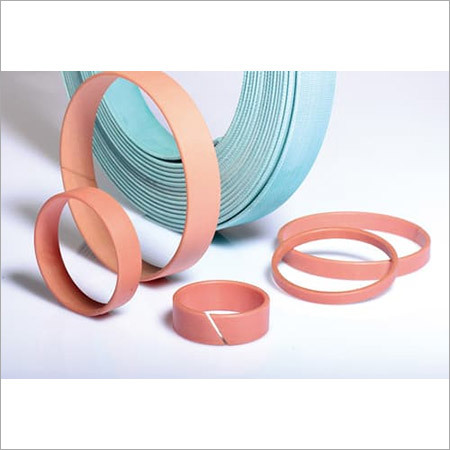
Tell us about your requirement

Price:
Quantity
Select Unit
- 50
- 100
- 200
- 250
- 500
- 1000+
Additional detail
Mobile number
Email

More Products in Mechanical Seals Category
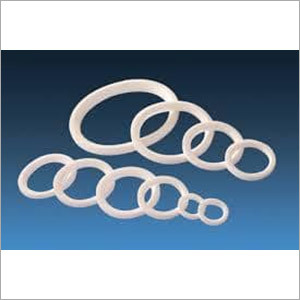
Ball Valve Seat Ring
Price 100 INR / Piece
Minimum Order Quantity : 10 Pieces
Application : Industrial Valves, Petroleum, Petrochemical, Water Treatment
Material : Other, Stainless Steel
Style : Other, Ring Type
Structure : Machined Seat Ring
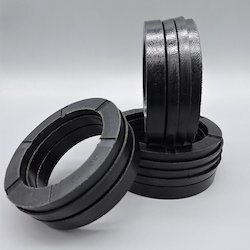
DPWL Chevron Seals
Price 100 INR / Piece
Minimum Order Quantity : 10 Pieces
Application : Hydraulic Cylinders, Presses, Hydraulic Jacks, Pumps
Material : Other, Nitrile Rubber, PTFE, Polyurethane, Fabric Reinforced Rubber
Style : Other, Chevron Stack Set
Structure : Multiple VRing Seals, Top and Bottom Support Rings
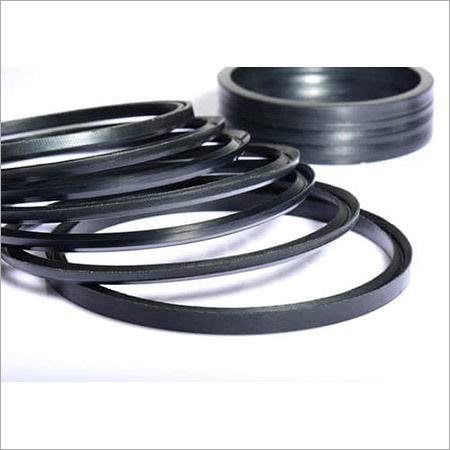
Fluid Seals
Price 100 INR / Piece
Minimum Order Quantity : 10 Pieces
Application : Hydraulic systems, Industrial machinery, Pumps, Valves, Automotive
Material : Other, Nitrile Rubber (NBR), Viton, EPDM, PTFE, Silicone
Style : Other, Hydraulic/Pneumatic, Mechanical, Rotary
Structure : Double Lip, Single Lip, Oring, Ucup, Vring
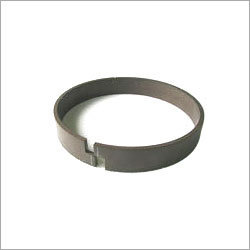
Rider Ring
Price 100 INR / Piece
Minimum Order Quantity : 10 Pieces
Application : Reciprocating piston compressors, gas and air compressors, and other hydraulic plus pneumatic systems
Material : Other, PTFE (Polytetrafluoroethylene), Bronze filled PTFE
Style : Other, Segmented ring
Structure : Solid or split ring, simple design

Contact Details
GST : 24AABCF9517D1ZW
- 5/8/1, Dasrath Estate, Near Revabhai Estate, C.T.M Cross Roads,Ahmedabad - 380026, Gujarat, India
- Phone :08045801297

 Send Inquiry
|


Developed and Managed by Infocom Network Private Limited.
